The First-Draft Value of Low-Key Gestures
Despite my outlines and planning, I am a discovery writer. The first drafts of my novels have consistently surprised me in several ways, because I really don’t know at the outset how the characters are going to get from Point A to Point B in the story. It’s a collaborative effort between them and me as the story evolves.
One consequence of this: a large part of the first draft is simply about getting that sorted out. Although I tend to write slowly, with attention to language as I go, the first draft is always uneven. On first read, I find that I have bounced between documenting what’s happening and deciding what it means.
It shows up, especially, in gestures.
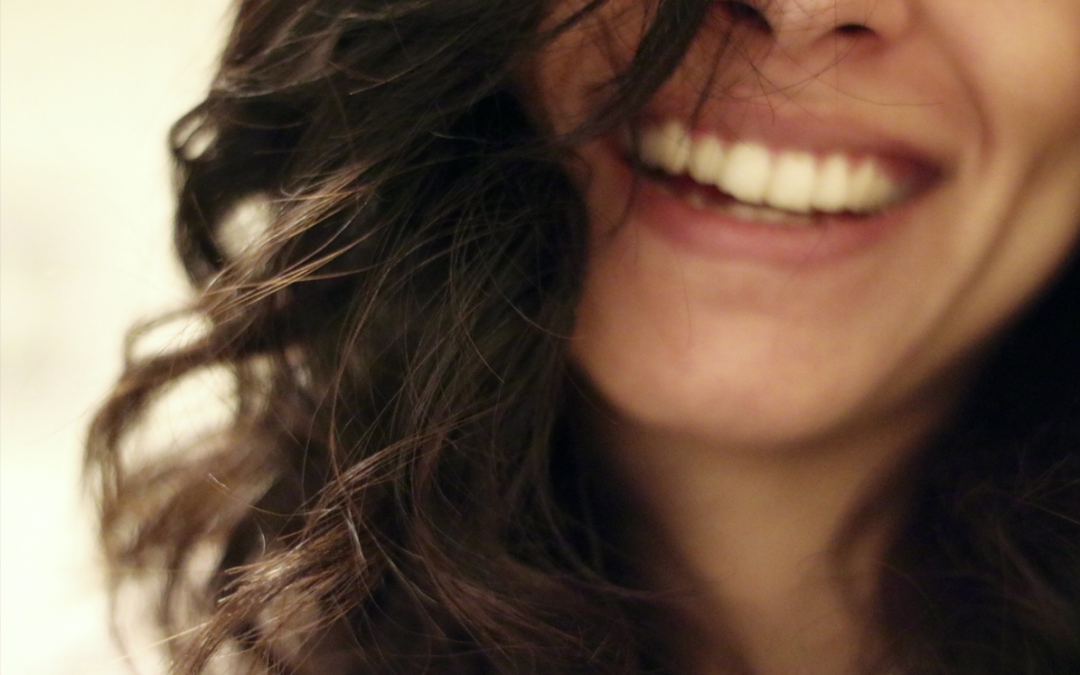
My first draft of book three had 149 smiles, 28 grins, and one smirk. There were 80 outbreaks of nodding. I did better with limiting shrugs, but that’s largely because this set of characters are rarely that nonchalant or ambivalent. It’s common for writers to overdo it with these things, and good revision makes a big difference. (After two rounds of revision, there are half as many smiles and grins—though the smirk remains—and 38 nods.)
I once heard a professor call these weak gestures a sign of lazy writing, but I disagree. They are the exposed scaffolding of the characters’ physical, emotional, and social reality. In the first draft, these gestures serve several valid—and vital—purposes.
The most obvious is proof of life, and this is the easiest to dismiss as “lazy.” These gestures give the characters a physical presence—they can’t just be floating, talking heads—and in the rush to get the first draft written, these get peppered in. They almost always turn out to be superfluous. In revision, these get cut, or they are replaced by more intentional physicality.
In a similar vein, these little nods and smiles often turn out to be emotional placeholders. They often show up in spots where something has passed between characters but I haven’t yet formalized what is happening in that moment. These are doing very important work in the first draft, because they let me flag the moment but keep going with the story. When I find a nod or a traded look during revision, it’s often the equivalent of a sticky note. Figure out why the characters want to acknowledge emotions here. This category of provides one of the clearest invitations to explore subtext.
Sometimes, the subtext I find there is less emotional than social. Nonverbal cues are a significant part of interpersonal choreography. In stories where the undercurrents matter, gestures can reveal social dynamics that would not be explicitly stated. Particularly when writing from deep within a character’s perspective, it’s often not practical to work in an explanation of the balance of power, for instance. Gestures are the way to hint at the dynamics of power, affection, and intent. The placeholders again are a reminder to investigate the meaning of the moment.
In all three instances, the placeholder gestures are there because the characters are going about their business, and in a first draft, the writer is concerned with broad strokes. The physical, external sequences are written first because they play out in the mind’s eye as the creative process begins. It’s in revision that the intellect comes to the fore to interpret and refine—the gestures that remain should add depth to the characters, themes, or story.
So the simple gestures that seem so extraneous in a raw draft serve a real purpose. They are part of the roughing-in process that frames the story. They mark the writer’s intuition that there’s something subtle that needs attention. Gratuitous nods and smiles in the final draft don’t always mean lazy writing. Often they signal incomplete revision. Every smile, every gesture, has a purpose—and it’s in revision that we discover what they mean.